5 Cars That Hold Value in the UK: Makes and Models to Buy
Compare 5 cars that hold value UK buyers rely on, why each depreciates slowly, and which history checks to run before you pay.
5 Cars That Hold Value in the UK: Makes and Models to Buy
The cars that hold value in the UK are led by Porsche, followed by Toyota and Lexus, Land Rover, small city cars such as the Hyundai i10 and Kia Picanto, and dependable mainstream makes like Honda and Volvo. Porsche and Land Rover suit buyers with a big budget. Small cars suit anyone who wants low running costs and a steady resale price. Toyota and Honda suit people who plan to keep a car for years.
Depreciation is usually the biggest cost of owning a car, and it does not fall in a straight line. A car might lose 30% over its first two years and only a further 15% over the next two. Rates vary by badge, model, mileage and condition. The picks below rest on published UK retained-value figures and used-car sales data, ordered by how consistently each one shows up as a slow depreciator.
We built Vehiclepedia to help UK used car buyers check a car's history from its registration plate, and history is part of resale value. A written-off or financed car sells for less, whatever the badge. Treat the percentages here as snapshots from different studies, not forecasts.
1. Porsche
Why it holds value
Porsche appears near the top of almost every UK resale ranking, across the range and not only the sports cars. One depreciation index puts the Macan at 80.7% retained value, and a retained retail value list gives the Cayenne 84.2%. The 911 is often quoted as keeping over 85% of its value after three years. Those figures use different bases, so read them as a pattern, not a league table.
Supply is limited, the badge is highly desirable and enthusiast demand stays firm when the wider used market softens.
Porsche holds its value across the range, but a high price means a big loss in pounds even at a small percentage.
Models and who they suit
Start with these:
- Macan: the compact SUV, at 80.7% retained in the index above.
- Cayenne: the larger SUV, at 84.2% retained in the list above.
- 911 and 718 Cayman GT4 RS: the sports cars that slow-depreciation lists keep returning to.
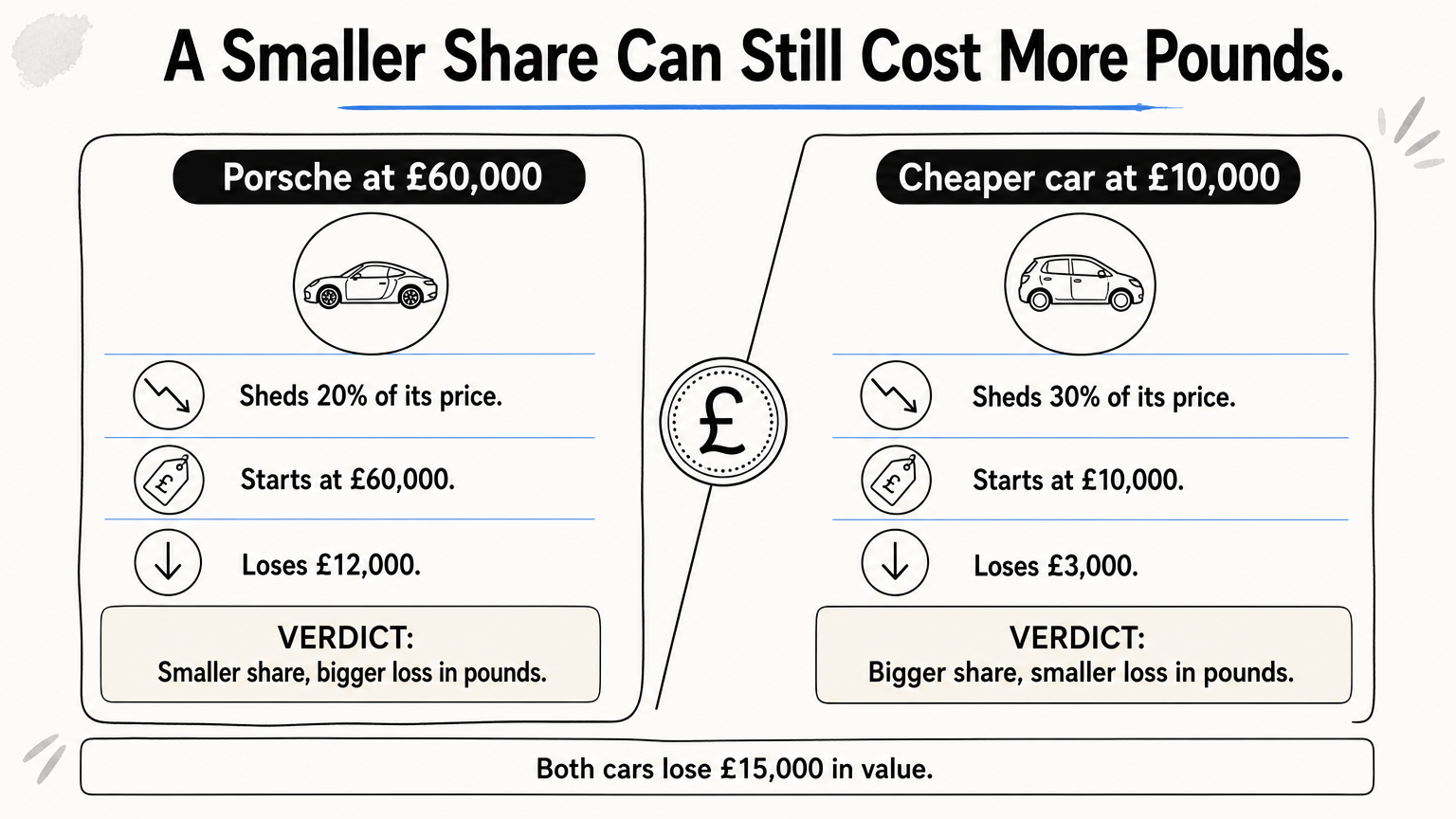
Percentages hide the size of the loss. A car that sheds 20% of £60,000 loses £12,000, while a car that sheds 30% of £10,000 loses £3,000. Porsche suits buyers who can absorb the higher purchase price and want to lose the smaller share of it.
2. Toyota and Lexus
Why it holds value
Toyota and Lexus hold value because buyers trust them to keep running cheaply. Toyota is regarded as best in class for reliability and value, repairs are affordable and aftermarket parts are easy to fit. Lexus carries the same reliability reputation with more luxury, and it placed among the ten strongest makes for value retention in 2023 UK data.
That trust protects you in a soft market. Used buyers pay extra for a car they expect to run for years without big bills.
Used buyers pay a premium for a car they expect to keep running cheaply, and that premium becomes your resale value.
Models and who they suit
- Yaris Cross: 79.1% retained in the same index that lists the Macan.
- Wider Toyota range: look for low mileage and a full service history.
- Lexus: values vary by model, so compare like-for-like examples before you pay.
These cars suit people who keep a car for five years or more and want low running costs with a predictable resale price.
3. Land Rover
Why it holds value
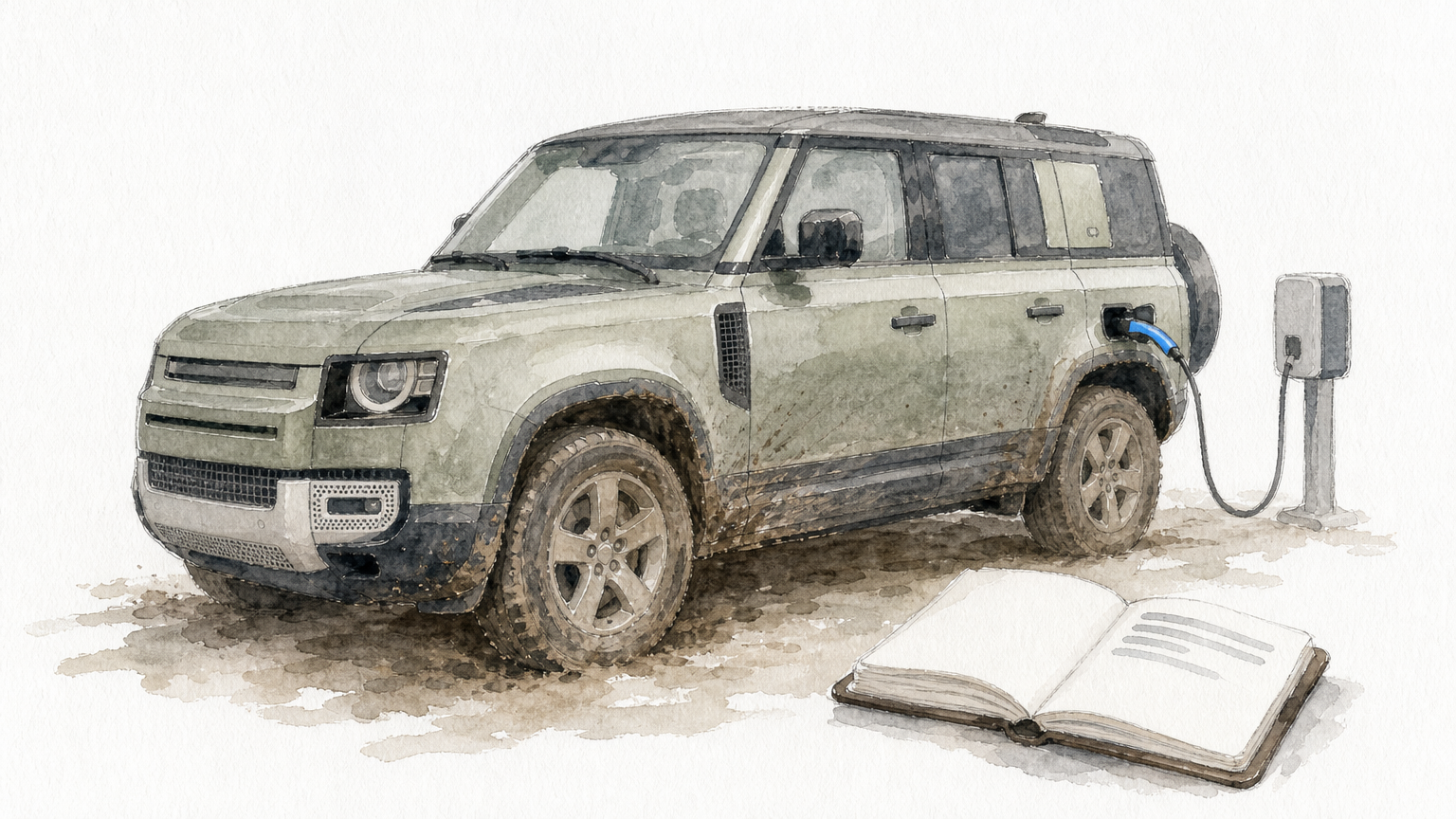
Land Rover is among the makes that UK resale guides rank highly, and the Defender 110 P300e appears in a list of the slowest-depreciating models, just behind the Porsche 718 Cayman GT4 RS. The Range Rover Sport is also named among the best cars for resale value.
Demand comes from buyers who want a distinctive, capable SUV. Values hold best on cars with low mileage and a clean record.
A Land Rover keeps its value only when its condition and history back up the badge.
Models and who they suit
- Defender 110 P300e: the plug-in hybrid version of the Defender.
- Range Rover Sport: the larger premium SUV.
Land Rover suits buyers who want a premium SUV and accept higher running costs than a Toyota would bring. Cars at this price are often bought on finance, so confirm there is no outstanding finance before you hand over money.
4. Small cars: Hyundai i10, Kia Picanto, Audi A1 and Dacia
Why it holds value
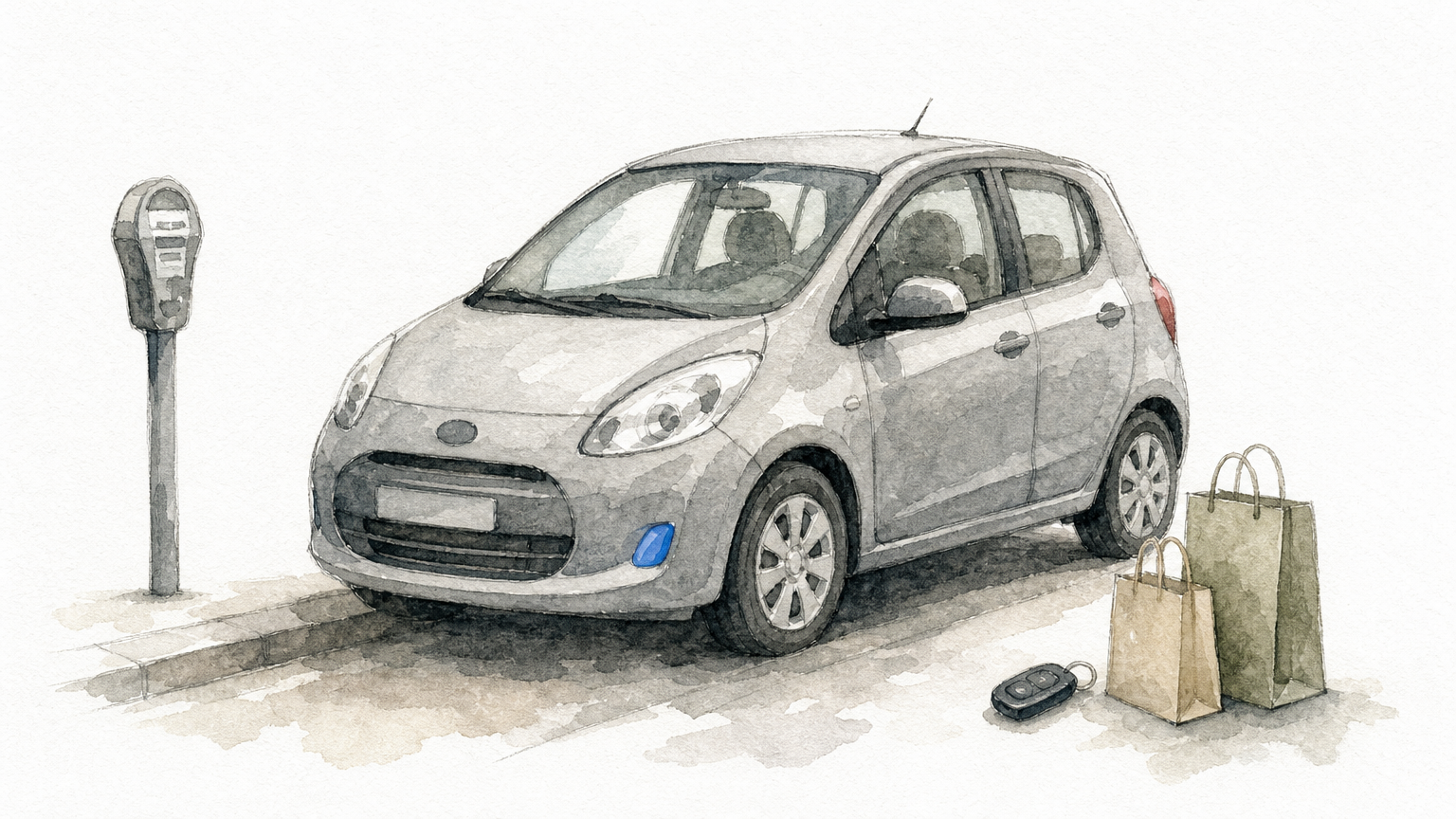
Small cars hold value because they usually have low mileage for their age. Owners use them for errands and short trips, and used buyers want them for the same reasons or to teach learners to drive. They are also cheap to tax, insure and run. Dacia adds affordable, practical cars with easy repairs.
One UK depreciation index shows how well they do against much pricier cars:
| Rank | Model | Retained value |
|---|---|---|
| 1 | Audi A1 | 81.5% |
| 2 | Porsche Macan | 80.7% |
| 3 | Hyundai i10 | 80.2% |
| 4 | Kia Picanto | 79.2% |
| 5 | Toyota Yaris Cross | 79.1% |
Four of the five are small cars. You can lose the same share of value on a £12,000 city car as on a £70,000 SUV, but the loss in pounds is far smaller.
Cheap, low-mileage small cars lose the same share as luxury cars, but they lose far less in pounds.
Models and who they suit
- Hyundai i10 and Kia Picanto: the budget-friendly pair in the table.
- Audi A1: a premium small car with the best retention in that index.
- Dacia range: affordable, and among the stronger makes in 2023 data.
These suit first-time buyers, learners and city drivers. If you live in or near London, check ULEZ compliance before buying, particularly a diesel. Cars that fail the standard lost value sharply after the zone expanded across Greater London in August 2023.
5. Honda and Volvo
Why it holds value
Honda's reputation for reliability keeps its used values high, and Volvo showed rising values in 2023 data. Both placed in the top five makes for value retention that year. Cars like these appeal to buyers who want a sensible, dependable car rather than a status symbol.
Popularity is not the same as slow depreciation. When a model is abundant, only the best examples reach top prices, so the Nissan Qashqai depreciates faster than its sales suggest. The BMW 3 Series, Mercedes C-Class and E-Class, and Audi A4 and A5 face plentiful supply and regular redesigns that push older cars to run-out status.
A popular car is not a slow depreciator: reliability and scarcity protect value, while volume erodes it.
Models and who they suit
- Honda: choose low mileage and a full service history.
- Volvo: compare examples of the same age and mileage, as brand demand is strong.
- Kia Sportage and Skoda Yeti: 68.2% and 69.0% retained in one list, a good fit for family buyers.
This group suits families and practical buyers who want steady values without a premium badge.
How to pick a car that keeps its value
Buy a badge with a reliability record, pick a model that is not oversupplied, and keep mileage low and servicing complete. Porsche and Land Rover keep the highest share of their price, small cars lose the fewest pounds, and Toyota, Lexus, Honda and Volvo sit in between with low-drama ownership.
Whichever you choose, the history decides whether it holds value. Put the registration into our free check to see MOT history and tax, then use the premium check at £6 for finance, police and write-off checks. Premium reports carry a data guarantee of up to £30,000 for non-trade users. To see what the reports include, compare the checks and prices before your next viewing.