10 Cars With Lowest Depreciation in the UK
Discover the top cars with lowest depreciation UK buyers can invest in, from the electric G-Wagon to the Dacia Jogger, plus why a history check matters.
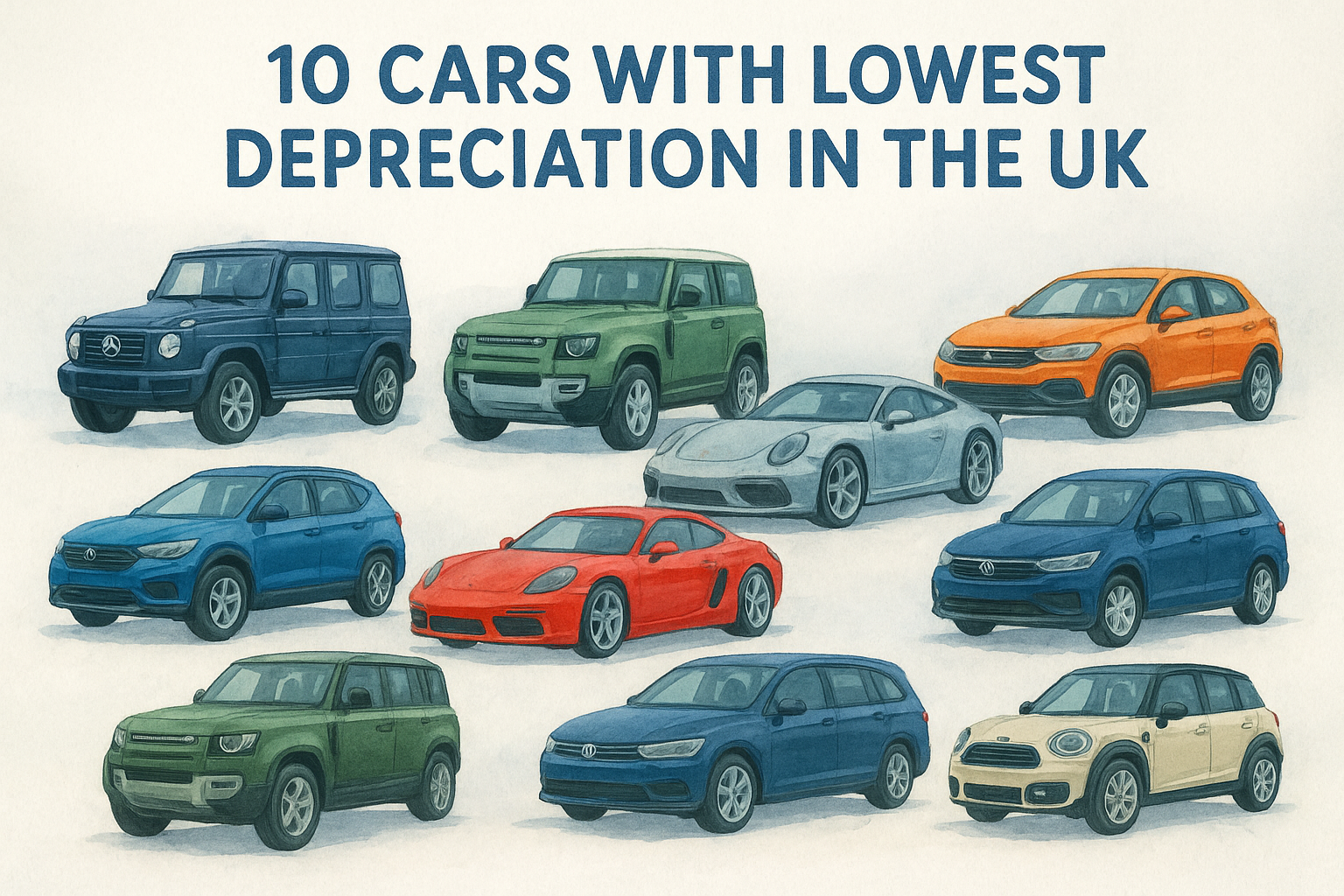
10 Cars With Lowest Depreciation in the UK
Every car loses value the moment it leaves the forecourt, but some lose far less than others. If you're trying to find cars with lowest depreciation UK buyers can rely on, you've probably noticed how wildly resale values swing between models that look similar on paper. Pick the wrong one and you could watch thousands vanish within three years. Pick the right one and you'll get a real chunk of your money back at trade-in time.
This article answers that question directly. We've pulled together ten models with proven track records for holding their value, based on how they perform against the average UK depreciation curve of roughly 50-60% over three years. These aren't guesses; they're the cars dealers keep buying back and drivers keep queuing up to own second-hand.
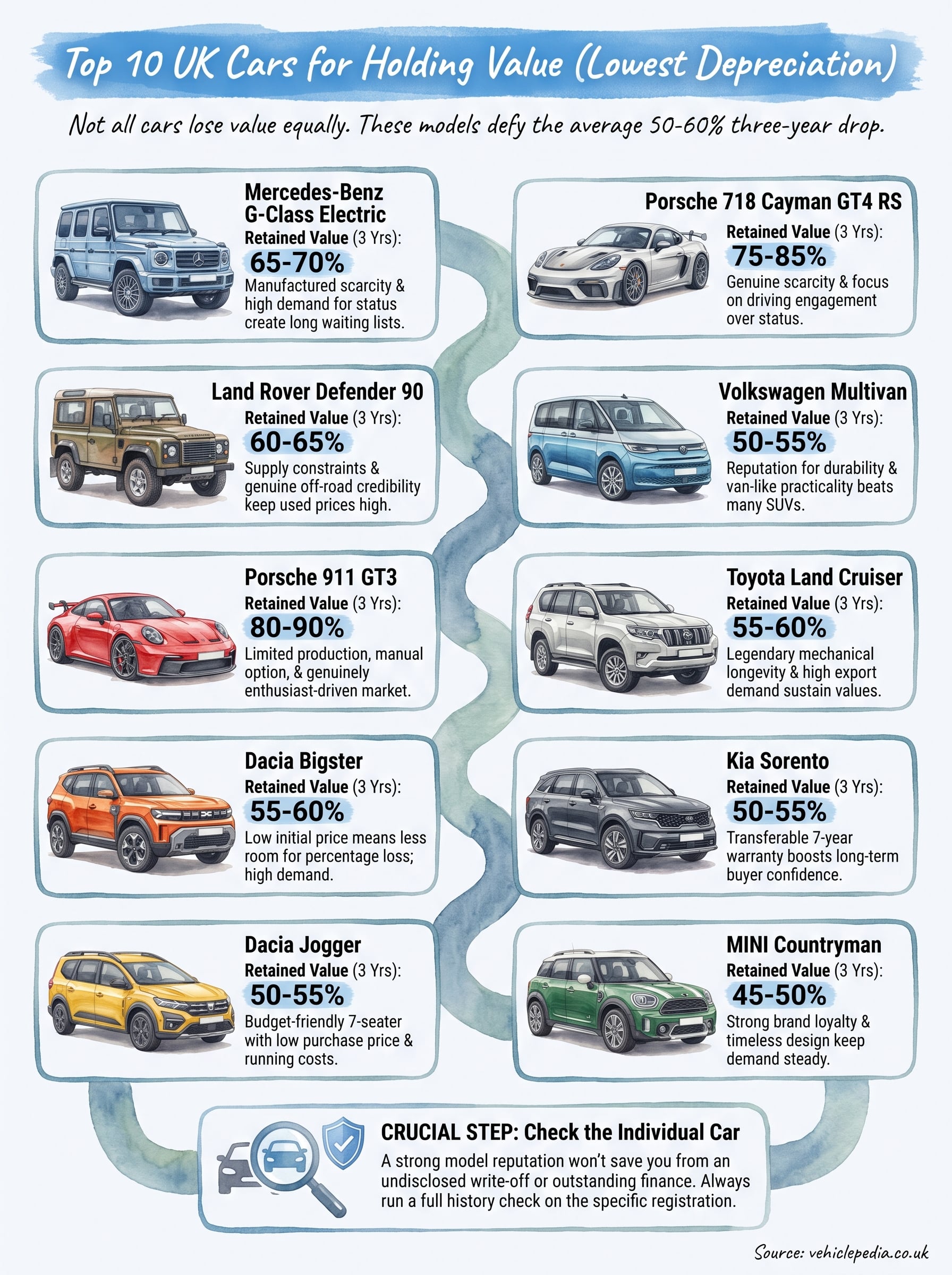
Before you commit to any of them, though, it pays to know what a car's history actually reveals about the individual car in front of you. A strong model reputation won't save you from an undisclosed insurance write-off or outstanding finance on the specific vehicle you're eyeing. Run a free check on the registration first, then use our list below to shortlist models worth your money.
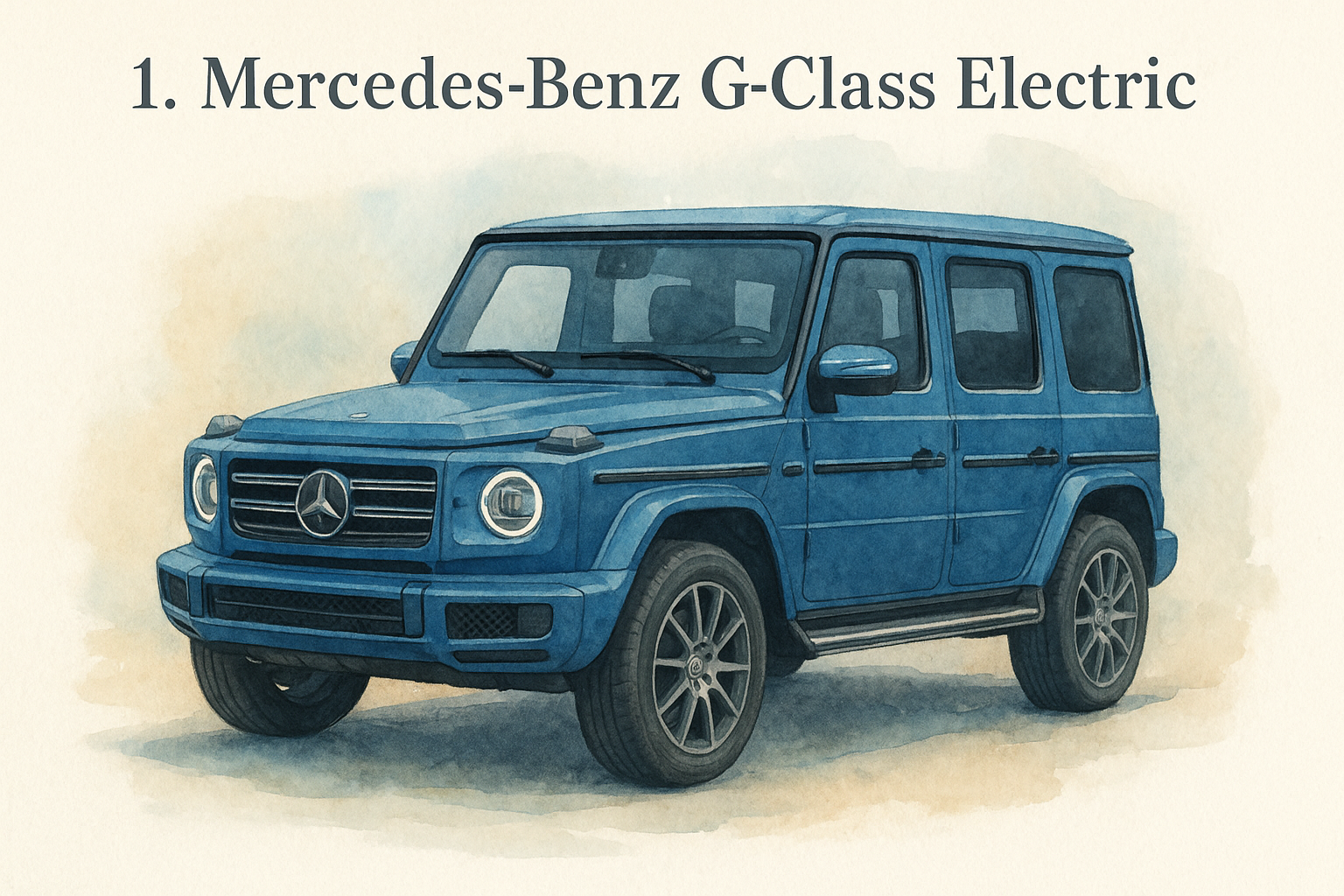
1. Mercedes-Benz G-Class Electric
The electric G-Wagon, badged the G 580 with EQ Technology, sits at the top of almost every UK depreciation table published this year. It's proof that badge power and genuine scarcity still beat fuel type when it comes to residual values, even for a car running an electric drivetrain in a segment where EVs typically depreciate faster than petrol or diesel equivalents.
Retained value at three years old
Industry residual value forecasters put the G-Class Electric at retaining somewhere between 65% and 70% of its original list price after three years and 36,000 miles, a figure that would be impressive for any car and borders on remarkable for a battery-electric one. Compare that with the roughly 45-50% you'd expect from a typical premium electric SUV over the same period.
| Model | 3-year retained value | Original list price (approx) |
|---|---|---|
| Mercedes-Benz G-Class Electric | 65-70% | £150,000+ |
| Typical premium electric SUV | 45-50% | £60,000-£90,000 |
A car this expensive holding two-thirds of its value after three years tells you demand, not depreciation tables, sets the price here.
Why it holds its value so well
Mercedes builds far fewer G-Class Electrics than it could sell, and that manufactured scarcity is the whole story. Waiting lists stretch well beyond a year in the UK, so buyers who want one now often pay over list price for a nearly-new example rather than wait. Add in the model's status as a status symbol independent of what's under the bonnet, a strong track record of the standard G-Class holding value for decades, and Mercedes' careful management of specification and production numbers, and you get a car that behaves more like a limited-edition watch than a depreciating asset.
Who this car suits best
This one suits buyers who can stomach a six-figure purchase price and want an EV that won't embarrass them at the golf club or the school run. It also makes sense for anyone treating the car as a medium-term investment, since you could realistically buy one, run it for two or three years, and sell it for close to what you paid. It's not the car for someone chasing cheap running costs or efficiency figures; those buyers are better served lower down this list. If you're looking at a used example, a free car finance check by registration will confirm mileage, service history and any money still owed before you hand over a deposit this size.
2. Land Rover Defender 90
The short-wheelbase Defender 90 has become one of the toughest cars to find cheap on the used market, and that scarcity shows up directly in its resale figures on the most accurate car valuation sites. Land Rover revived the nameplate in 2020 and demand has barely cooled since, making it one of the standout cars with lowest depreciation UK dealers report seeing come back through auction.
Retained value at three years old
Expect a well-specified Defender 90 to retain around 60-65% of its original price after three years and 36,000 miles, comfortably beating most rivals in the premium 4x4 class, where 45-50% is closer to the norm. Popular engine and trim combinations, particularly the P400 in Hard Top or X-Dynamic spec, tend to sit at the higher end of that range.
Buyers queue up for a used Defender 90 the same way they queue for a new one, and that queue is what protects your money.
Why it holds its value so well
Supply constraints explain most of it. Land Rover still can't build Defenders fast enough to meet UK demand, so used examples routinely sell close to, or above, their original invoice price within the first two years. The short-wheelbase body also carries genuine off-road credibility that the longer 110 and 130 versions can't quite match, which keeps a dedicated buyer base competing for the same limited stock.
Who this car suits best
This suits buyers who want a genuinely capable off-roader without the depreciation hit that usually comes with adventurous styling choices. It's a strong pick for anyone planning to keep the car two to three years before moving on.
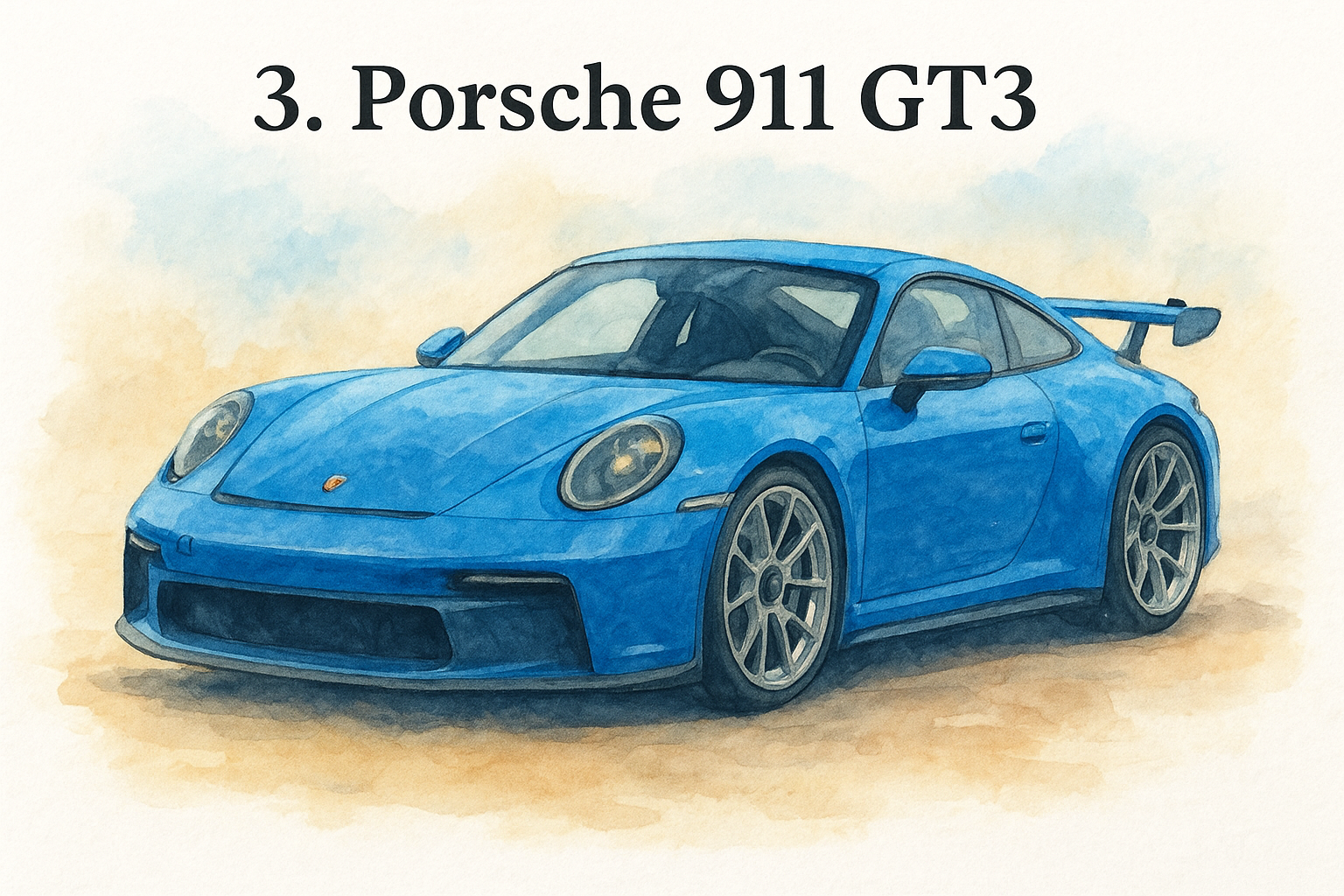
3. Porsche 911 GT3
The 911 GT3 is the car every depreciation list eventually gets to, because Porsche has spent decades proving that a track-focused sports car can also be a sound financial decision. Buyers who order one new often find themselves fielding offers before the car even arrives, which tells you everything about how this model behaves on the used market.
Retained value at three years old
A GT3 typically holds 80-90% of its original list price after three years, and some manual, low-mileage examples have sold for more than their original invoice figure. That puts it far ahead of the wider sports car segment, where 50-55% retention after three years is a realistic average.
Few new cars make money for their owners, but a well-specced GT3 has done exactly that more than once.
Why it holds its value so well
Porsche deliberately limits GT3 production and allocates cars through a dealer network that rewards loyal, existing customers first. That controlled supply meets a genuinely enthusiast-driven demand, since this is one of the last naturally aspirated, manual-optioned performance cars left on sale. Motorsport pedigree, a bulletproof reputation for reliability by supercar standards, and Porsche's own approved-used programme all add further confidence for buyers researching best resale value cars UK enthusiasts actually trust.
Who this car suits best
This suits buyers who see the GT3 as both a driver's car and a considered purchase, not just a status symbol. It rewards patience with dealer allocation and works best for someone planning to keep the car several years rather than flip it immediately.
4. Dacia Bigster
Dacia's first proper family SUV arrived in the UK in 2025, and it's already turning heads for reasons beyond its low starting price. Budget brands rarely feature on lists of cars with lowest depreciation UK buyers search for, but the Bigster's combination of value pricing and genuine practicality is rewriting that assumption fast.
Retained value at three years old
Early residual value forecasts put the Bigster at around 55-60% retention after three years and 36,000 miles, which is exceptional for a car costing under £25,000 new. Most budget-segment SUVs struggle to hold much past 35-40% over the same period, so the gap here is significant.
| Model | 3-year retained value | Segment average |
|---|---|---|
| Dacia Bigster | 55-60% | 35-40% |
A cheap car that keeps most of its value beats an expensive one that doesn't, and the Bigster proves the point.
Why it holds its value so well
Renault Group, Dacia's parent, prices the Bigster low enough from new that percentage depreciation has less room to bite, while demand from buyers priced out of pricier SUVs keeps used examples moving quickly. Waiting lists for new orders have also pushed some buyers towards nearly-new stock, tightening supply further.
Who this car suits best
Families wanting SUV space without SUV running costs will find the Bigster hard to beat. Anyone comparing used car depreciation rates across the mainstream market should shortlist it alongside pricier rivals before assuming brand prestige guarantees better resale figures, and it's worth learning how much a car is worth in the UK at each stage of ownership.
5. Dacia Jogger
Dacia's seven-seat Jogger has quietly become one of the shrewdest used buys in the UK, offering minivan-style practicality at hatchback money. It's another entry proving that cars with lowest depreciation UK shoppers actually want don't need a premium badge to earn a place on this list.
Retained value at three years old
Expect a Jogger to retain somewhere around 50-55% of its original price after three years and 36,000 miles, well ahead of the 35-40% typical for budget seven-seaters. The hybrid variant tends to sit at the top of that range, since fuel economy remains a major selling point on the used market.
| Model | 3-year retained value | Segment average |
|---|---|---|
| Dacia Jogger | 50-55% | 35-40% |
A car nobody expects to hold its value quietly does exactly that when it's cheap enough to buy twice over.
Why it holds its value so well
Low purchase prices leave little room for steep percentage losses, and Dacia has built a loyal following of buyers who specifically seek out budget-friendly seven-seaters rather than stretching for a pricier alternative. Strong initial reliability reports and a simple, low-cost ownership proposition also keep demand steady on the used market, so dealers rarely struggle to shift a well-kept example.
Who this car suits best
Larger families on a tight budget will find the Jogger hard to beat, especially anyone who needs occasional seven-seat capacity without committing to a full-size MPV price tag. It also suits buyers focused on minimising running costs over the ownership period, since low depreciation here pairs with genuinely cheap fuel, servicing bills and some of the cheapest cars to tax in the UK.
6. Porsche 718 Cayman GT4 RS
Porsche's mid-engined GT4 RS takes the same recipe that makes the 911 GT3 such a strong performer and applies it to a smaller, cheaper platform. Enthusiasts already treat it as a modern collectable, and that reputation shows up clearly whenever anyone researches cars with lowest depreciation UK track-day buyers actually chase.
Retained value at three years old
A GT4 RS typically holds around 75-85% of its original list price after three years and 36,000 miles, putting it just behind the GT3 but well clear of the wider sports car segment, where 50-55% is the norm. Manual availability isn't offered here, but that hasn't dented demand for this flat-six, naturally aspirated model.
A car built in limited numbers for people who actually drive it rarely loses much money along the way.
Why it holds its value so well
Porsche restricts production tightly and allocates cars through existing customer relationships, so genuine scarcity meets a buyer base that values driving engagement over outright status. The GT4 RS also borrows aerodynamic and engine hardware from the 911 GT3, giving it motorsport credibility that keeps residual values firm long after the initial hype fades.
Who this car suits best
This suits drivers who want a genuinely focused sports car rather than a daily commuter, and who understand that Porsche's dealer allocation process rewards patience over impatience. It works less well for anyone needing rear seats or everyday practicality, since those buyers should look further down this list.
7. Volkswagen Multivan
Volkswagen's Multivan has carved out a reputation as the sensible alternative to a premium SUV for buyers who genuinely need van-like space without van-like resale figures. It's a less obvious entry among cars with lowest depreciation UK families search for, but the numbers back it up once you look past the badge.
Retained value at three years old
A well-specified Multivan, particularly the plug-in hybrid eHybrid, retains around 50-55% of its original list price after three years and 36,000 miles. That's ahead of most mainstream MPVs and people carriers, which typically sit closer to 35-40% over the same period, making the Multivan one of the stronger used car depreciation rates performers in its class.
A van-based vehicle beating dedicated SUVs on resale value shows practicality still sells on the used market.
Why it holds its value so well
Volkswagen has spent decades building trust in this platform, and that reputation for durability carries directly into used values. Limited UK supply compared with demand from tradespeople, families and conversion companies keeps prices firm, while the eHybrid variant appeals to buyers chasing lower company car tax bands, adding another layer of steady demand that pure diesel versions don't enjoy.
Who this car suits best
This suits larger families, business owners needing flexible seating, or anyone converting a vehicle for leisure use who still wants strong resale value at trade-in time. It's less suited to buyers wanting sharp handling or a compact footprint, since size and practicality are the whole point here.
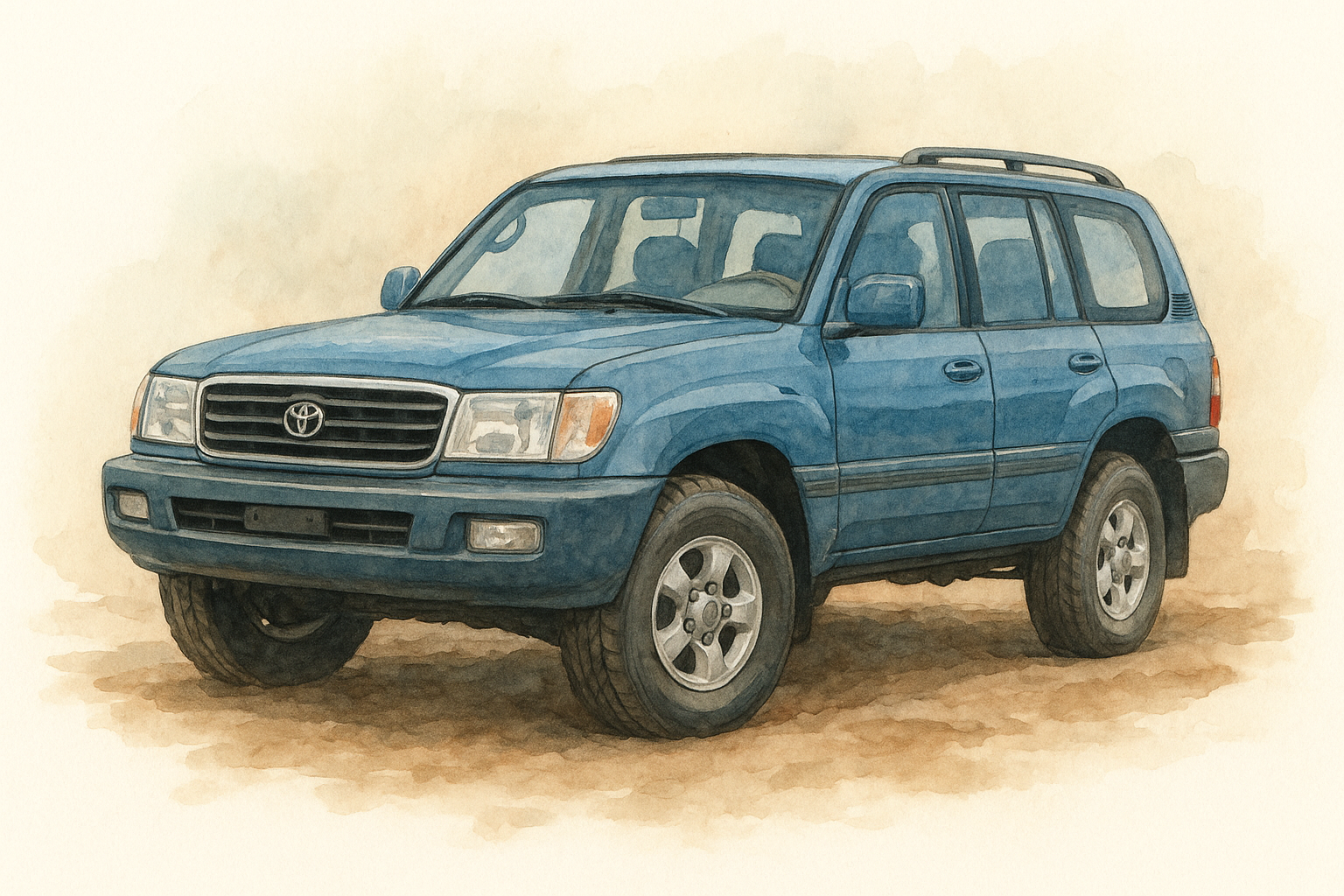
8. Toyota Land Cruiser
Toyota's Land Cruiser has built its reputation on being nearly impossible to wear out, and that durability translates directly into some of the strongest residual values in the 4x4 class. It's a regular fixture on lists of cars with lowest depreciation UK buyers trust when they need a vehicle that will still be running long after the finance is paid off.
Retained value at three years old
Expect a Land Cruiser to retain around 55-60% of its original list price after three years and 36,000 miles, ahead of the 45-50% typical for large diesel SUVs. Right-hand-drive UK allocation has also been limited since the latest generation launched, which keeps used prices firm.
A 4x4 known for lasting 300,000 miles will always find a buyer willing to pay for that reputation.
Why it holds its value so well
Toyota's reputation for mechanical longevity does most of the work here, since buyers actively seek out the Land Cruiser expecting to keep it for a decade or more. Restricted UK supply compounds that demand, and export buyers overseas, particularly in Africa and the Middle East, compete for good used examples, pushing prices higher than you'd expect for a car of this age and mileage.
Who this car suits best
This suits buyers wanting a genuinely dependable off-roader for rural life, towing, or long-distance driving rather than outright comfort. It also makes sense for anyone planning very high mileage, since the Land Cruiser's low depreciation curve rewards owners who keep the car rather than trade it in every three years.
9. Kia Sorento
Kia's Sorento has quietly built a reputation as one of the smartest large SUV buys in the UK, backed by a warranty that changes how buyers think about long-term ownership. It's a regular name on lists of cars with lowest depreciation UK families search for once they've priced up pricier rivals and realised the Sorento does the same job for less.
Retained value at three years old
A well-specified Sorento, especially the hybrid or plug-in hybrid variants, retains around 50-55% of its original list price after three years and 36,000 miles. That beats the 40-45% typical for mainstream seven-seat SUVs, and it puts the Sorento ahead of several premium-badged competitors costing considerably more when new.
A seven-year warranty does more for resale value than most buyers ever give it credit for.
Why it holds its value so well
Kia's seven-year, 100,000-mile warranty transfers to subsequent owners, which removes a major risk factor for used buyers and keeps demand strong well into a car's life, and it stands up well against the best used car warranty providers in the UK. Reliability data backs up that confidence, and the hybrid powertrains appeal to buyers chasing lower running costs, adding a second layer of steady demand beyond the warranty itself.
Who this car suits best
This suits families wanting genuine seven-seat space without the depreciation hit that usually comes with less-established brands. It also works well for buyers planning to keep a car well past the three-year mark, since Kia's warranty coverage keeps protecting resale value long after typical finance terms end.
10. MINI Countryman
The MINI Countryman rounds out this list as proof that small, characterful cars can hold value just as well as big premium SUVs. It's grown considerably since the original launched, but it's kept the brand's cult following, which matters enormously once you start comparing cars with lowest depreciation UK buyers actually cross-shop against premium hatchbacks.
Retained value at three years old
A well-specified Countryman, particularly the Electric or JCW variants, retains around 45-50% of its original list price after three years and 36,000 miles. That's respectable rather than exceptional next to the Dacias and Porsches above, but it comfortably beats the 35-40% typical for mainstream compact SUVs from non-premium brands.
Brand loyalty keeps a car's resale value steady even when the segment around it gets more crowded every year.
Why it holds its value so well
MINI's design language barely changes generation to generation, so used Countrymans don't look dated the way some rivals do after a facelift cycle. Owner loyalty runs deep too, with many buyers trading one MINI for another rather than switching brands, and that repeat demand keeps used car depreciation rates lower than you'd expect for a car built on a shared BMW Group platform.
Who this car suits best
This suits buyers wanting a premium-badged SUV with genuine personality rather than corporate anonymity, especially those upgrading from a smaller MINI hatchback. It also works for anyone who values strong dealer support and a badge with real cachet on the used market, without stretching to full German luxury pricing.
Doing your homework before you buy
Picking a model from this list stacks the odds in your favour, but it doesn't guarantee the specific car you're looking at is a good one. Resale figures describe averages across thousands of vehicles, not the one sitting on a dealer's forecourt with an unclear service history or a finance agreement still running against it. A Defender with a salvage history or a Sorento with outstanding finance will lose you money regardless of how well the model performs on paper.
Before you hand over a deposit on any car from this list, run a proper check on that exact registration. It takes minutes and tells you what the model reputation can't: mileage consistency, MOT history, write-off status, and any outstanding finance attached to the vehicle. Want to see exactly what that looks like before you buy? See what a full vehicle check reveals before you commit your money.